Case Study: How a Custom Car Seat Adjustment Switch Improved OEM Seat Performance
With the accelerating trend towards intelligent and comfortable vehicles, electric seats have gradually penetrated into mid-range and even some entry-level models. Today, consumers' demands for seats have long since moved beyond simple fore-and-aft movement, extending to more complex experiences such as backrest adjustment and multi-mode adjustment.
Behind the stable operation of these functions lies a key component: the car seat adjustment switch. It is responsible for accurately translating user actions into control signals for the seat's actuator system, directly affecting adjustment accuracy, response speed, lifespan, and overall reliability. This article will analyze a real-world case study to illustrate how a leading British automaker successfully addressed product performance bottlenecks and enhanced the overall competitiveness of its seating system by implementing a customized car seat adjustment switch solution.
Why OEMs Needed a Custom Car Seat Adjustment Switch
Standard Micro Switch Could Not Meet Functional Requirements
The British automaker initially used a market-standard switch solution from other micro switch suppliers. In the early stages of the project, this standard product did indeed meet basic seat adjustment needs (e.g., fore-and-aft movement, backrest angle adjustment, and basic height adjustment). However, with the upgrade to new vehicle platforms, the standard solution suffers from issues such as simplistic operating logic, insufficient functional expansion capabilities, and inadequate feedback accuracy. This is especially true for high-end models, where the standard solution fails to meet the brand's requirements for a luxurious cabin experience.
Increasing Demand for Multi-Directional Seat Adjustment
Most new automotive micro switch feature more seat functions, including four-way lumbar support adjustment, headrest angle adjustment, and seat cushion tilt adjustment. Traditional one-way switches can no longer support such complex control logic. End customers have explicitly requested that the car seat adjustment switch support two-way or four-way switching and ensure accurate feedback when switching in different directions.
Higher Reliability Requirements in Global Markets
The brand's vehicles are primarily sold in Europe, the Middle East, North America, and Asia. Different markets mean facing different environmental challenges (high temperatures, low temperatures, snow, humidity, dust storms, etc.). The standard switch cannot reliably withstand the complex global operating conditions over the long term.
The OEM’s Main Challenges in Car Seat Adjustment Switch Design
Limited Internal Installation Space
Modern car seats are becoming increasingly integrated. The interior of the seat typically includes heating modules, massage modules, airbag components, etc., leaving very limited space for the car seat adjustment switch. Existing solutions are often too large, leading to installation difficulties, structural interference, and reduced assembly efficiency, all of which urgently need to be addressed.
Need for Two-Way and Four-Way Switching Functions
End customers want more functions with fewer components. For example, the switch could allow for two-way adjustment of the seat fore-aft position or four-way adjustment of the lumbar support, requiring more complex control logic within a limited space.
Harsh Automotive Temperature Conditions
Automakers require products to meet operating temperature requirements of -40℃ to +85℃ to avoid material embrittlement in extremely cold environments and structural deformation in high temperatures, reducing the risk of spring performance degradation.
Long-Term Durability Concerns
The average car owner's usage period is typically 8-10 years, so frequent seat adjustments also need to be considered, especially in family vehicles shared by multiple people. This places higher demands on the lifespan of the switches.
How the Custom Car Seat Adjustment Switch Was Redesigned
This British car company sought change and switched to a new micro switch manufacturer to meet these end-customer requirements. The new supplier also demonstrated its strong R&D capabilities through this independently designed car seat adjustment switch.
Custom Structural Optimization for Seat Integration
The micro switch supplier first reanalyzed the seat structure layout. Addressing customer requirements for installation space, the manufacturer reduced the overall size, optimized the fixing clip structure, and adjusted the terminal layout, ultimately improving assembly efficiency.
Two-Way and Four-Way Switching Design
The micro switch supplier developed two independent solutions for different functional modules: a two-way switch and a four-way switch. The two-way switch allows end-customers to move the seat forward and backward and tilt the backrest; the four-way switch allows users to perform complex operations such as lumbar support adjustment and multi-axis comfort adjustment.
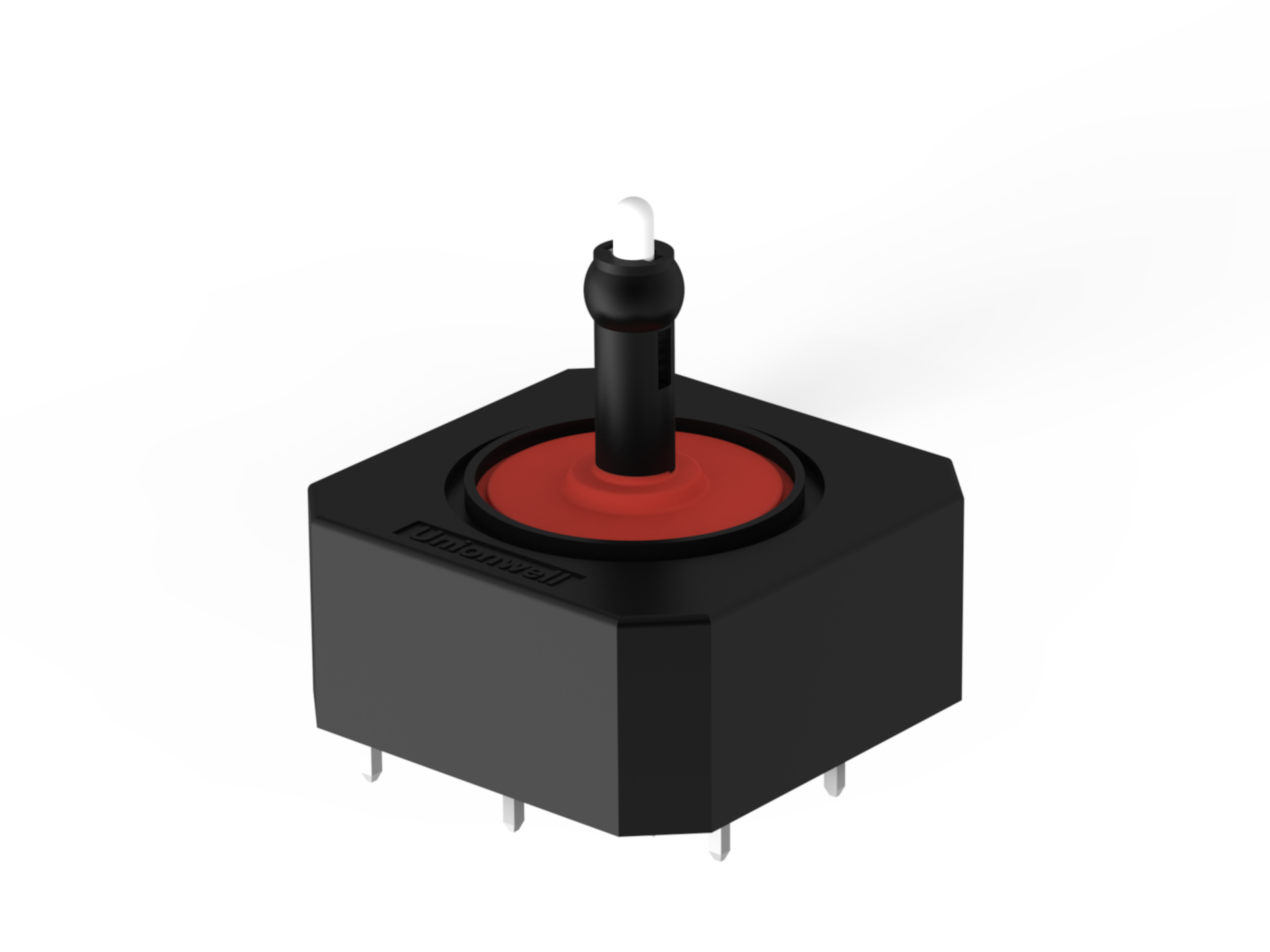
These two solutions significantly reduce component complexity for OEMs.
High-Performance Spring Material Upgrade
The supplier decided to use high-performance spring materials to improve fatigue life and contact consistency, optimizing spring rebound speed and long-term operating feel.
IP67 Protection Design for Better Reliability
Although the interior of the seat is not directly exposed to rain like the external environment, it may still face issues such as beverage spills, cleaning fluid seepage, or dust accumulation. Therefore, the micro switch supplier adopted an IP67 design to significantly improve reliability.
How the Custom Car Seat Adjustment Switch Improved OEM Seat Performance
More Accurate Seat Adjustment Control
After the above optimizations, the current car seat adjustment switch allows for more precise user operation, reducing misoperation, adjustment deviations, and response delays, better meeting customer requirements.
After mass production, the car seat adjustment switch's false trigger rate has significantly decreased, contact problems have been greatly reduced, and after-sales complaints have decreased accordingly.
Improved User Comfort Experience
End users have clearly experienced a smoother adjustment experience, more precise feedback, and a more comfortable user experience with the new product, directly enhancing the British car brand image.
Higher Production Consistency
This customized solution also improves production consistency, assembly efficiency, and supply stability, better helping OEMs complete global deliveries and better expand into overseas markets.
Why More Automotive OEMs Are Choosing Custom Car Seat Adjustment Switch Solutions
Growth of Smart Seat Systems
Future seat functions are likely to become increasingly complex, such as automatic memory, welcome modes, and intelligent posture adjustment, placing higher demands on car seat adjustment switches.
Demand for Premium Interior Experience
Today's consumers are increasingly willing to pay for comfort, and the seat experience offered at different price points directly impacts the perceived value of a vehicle.
Need for Differentiated Vehicle Design
Different automakers aim to create differentiated selling points by altering different angles such as luxury, intelligent, and comfort experiences to meet the needs of diverse customers. Customized switches have become a crucial foundation for this goal.

Conclusion
As automotive seat systems continue to evolve towards intelligence, comfort, and high-end features, standardized products are increasingly unable to meet the complex needs of OEMs. Through customized car seat adjustment switch solutions, automakers can significantly improve seat performance, reliability, and user experience. For OEMs and Tier 1 suppliers, choosing a professional micro switch manufacturer with customization capabilities will become a significant competitive advantage in the future.
Dustproof Mini Micro Switch Applications in Smart Massage Chairs
How Sealed Miniature Micro Switch Improves Car Charging Port Safety
Related Article