
The Evolution of Refrigerator Door Switch: From Simple Design to Smart Control
The refrigerator door switch, a crucial component of the refrigerator control system, has long served functions such as door status detection, lighting control, and control signal feedback. With the continuous upgrading of modern home appliances towards intelligence, energy efficiency, and user experience, the refrigerator door switch has evolved from simple mechanical control to intelligent linkage control.
This article will introduce the development history of the refrigerator door switch, its technical characteristics at different stages, its application changes in modern smart refrigerators, and future development trends, helping readers to fully understand how this key electronic component has continuously adapted to the development of refrigerator technology.
The Early Development of Refrigerator Door Switch
The development of the refrigerator door switch is closely related to the popularization of household refrigerator technology. In the early 20th century, refrigerators were mainly used in commercial refrigeration, with complex equipment structures and mechanical regulation as the primary control method. At that time, the focus was more on temperature control and operational stability, with lower requirements for door status detection.
As household refrigerators gradually entered the market between 1940 and 1960, the frequency of refrigerator use increased, and users' demands for convenience and safety grew. Frequent opening and closing of refrigerator doors brought about problems such as lighting control, temperature management, and door status detection, driving the early development of the refrigerator door switch. During this initial stage, refrigerator door switches were primarily used to detect door status, control internal lighting, and provide simple feedback. When the refrigerator door opened, the door pushed the switch's actuator, causing internal contacts to change and activating the lighting circuit; after closing, the switch returned to its original state and automatically turned off the lighting, improving ease of use and driving the development of automated control in home appliances.

From 1970 to 1990, the refrigerator market expanded significantly, and home appliance manufacturing technology matured. Refrigerator door switches began to focus on stability and durability. Manufacturers continuously optimized structural designs, improved contact materials, and enhanced the consistency of production processes. During this period, the reliability of refrigerator door switches became a crucial factor affecting refrigerator quality.
In the 21st century, refrigerator door switches have gradually become an important detection component in refrigerator control systems, providing fundamental signals for status feedback, intelligent control, and system linkage. From early mechanical trigger designs to modern intelligent applications, the development of refrigerator door switches reflects the trend of intelligent upgrading in the home appliance industry.
How Refrigerator Door Switch Technology Continued to Improve
Refrigerator Door Switch Became More Reliable
During long-term refrigerator operation, the contacts of the refrigerator door switch need to open and close frequently. Therefore, the reliability of the contacts directly affects the accuracy of lighting control and door detection. To improve performance, its contact materials are continuously optimized to enhance conductivity and long-term stability.
Meanwhile, as a home appliance micro switch, its actuator, spring, and other actuation mechanisms are continuously improved to reduce mechanical wear, ensuring stable triggering even after long-term use. Rebound performance has also been optimized to ensure rapid reset after the refrigerator door is closed, improving the accuracy of door status detection.
Furthermore, modern manufacturing processes place greater emphasis on consistency control. By improving component precision, assembly quality, and performance testing, manufacturers can guarantee stable operating parameters for refrigerator door switches within the same batch, meeting the reliability requirements of household refrigerators and commercial freezers.
Refrigerator Door Switch Adapted to Different Refrigerator Designs
With the diversification of refrigerator products, the demand for refrigerator door switches in different application scenarios is constantly increasing. Small refrigerators emphasize compact design, multi-door refrigerators prioritize detection stability and installation flexibility, while commercial freezers focus on durability. To meet diverse needs, refrigerator door switches have evolved into various sizes, structures, and installation methods, providing matching solutions for all types of refrigerators.
The Role of Refrigerator Door Switch in Modern Refrigerators
With the development of smart home appliances, the modern refrigerator door switch has become a crucial input component of refrigerator control systems. It is responsible for detecting the door's open, closed, and positioned status, and feeding back information to the electronic module. It has evolved from a simple mechanical switch into a vital interface connecting the mechanical structure and the electronic control system.
Refrigerator Door Switch Supports Interior Lighting Control
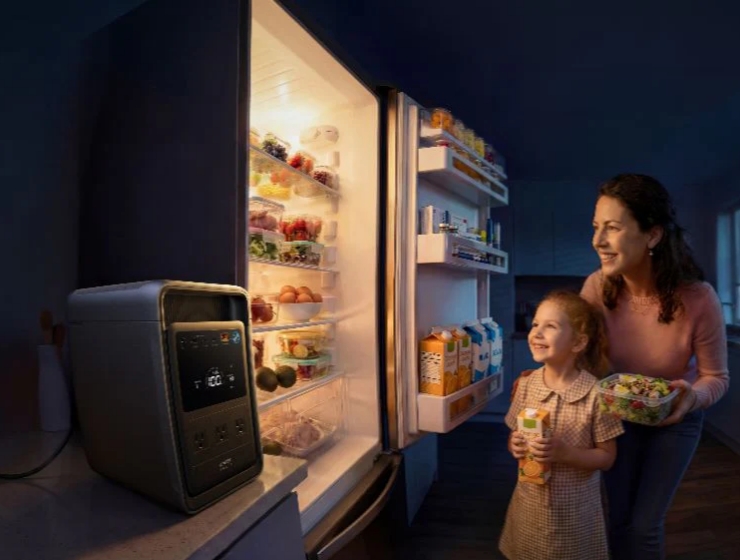
Interior lighting control is a primary application of the refrigerator door switch: When the refrigerator door is open, the door switch activates and turns on the lighting circuit, allowing users to easily view stored items; after the refrigerator door is closed, the switch automatically resets and cuts off the circuit, turning off the lighting.
This control method not only improves ease of use but also reduces energy waste. Stable switch operation also prevents lighting malfunctions, ensuring more accurate door detection.
Future Trends of Refrigerator Door Switch Technology
Smarter Refrigerator Door Switch Integration
Future refrigerator door switches will further enhance their collaboration with electronic control modules, potentially integrating with more control systems to achieve more accurate door status detection, faster information feedback, and more comprehensive system linkage. Through cooperation with intelligent control modules, the refrigerator door switch will continue to play a crucial role in connecting mechanical structures and electronic systems.
Higher Reliability for Smart Home Appliances
Future smart home appliances need to meet the requirements of long-term stable operation; therefore, the reliability of refrigerator door switches remains an important development direction. Its operational stability, product consistency, manufacturing precision, and lifespan performance remain the main areas for continuous optimization.
For refrigerator manufacturers, a stable and reliable refrigerator door switch can help improve the overall quality of products and reduce the need for later maintenance. With continuous advancements in manufacturing technology, micro switch manufacturers will provide more reliable control components for smart home appliances by improving R&D capabilities, precision manufacturing, and strict quality control.
FAQ
Q1: What is the difference between a Refrigerator Door Switch and a micro switch?
A1: The Refrigerator Door Switch is designed specifically for refrigerator door detection, with optimized triggering methods and installation structure.
Q2: What refrigerator functions will be affected if the Refrigerator Door Switch malfunctions?
A2: It may cause abnormal lighting control, incorrect door status detection, or related control functions to malfunction.
Q3: Why do some Refrigerator Door Switches need an IP67 protection rating?
A3: The refrigerator's interior and surrounding environment may contain moisture, condensation, or dirt. An IP67 protection rating helps improve its environmental adaptability.
Q4: In which scenarios are ATEX-certified Refrigerator Door Switches suitable?
A4: ATEX-certified products are mainly used in special environments with potential explosion risks, such as some industrial refrigeration or special storage areas.
Q5: Will the triggering force of the Refrigerator Door Switch affect the refrigerator's user experience?
A5: Yes. Appropriate triggering force ensures accurate door detection while avoiding significant resistance when opening and closing the door.
Conclusion
The refrigerator door switch has evolved from a simple mechanical lighting control device into a crucial detection component in modern refrigerator intelligent control systems. Its functions have expanded to include door status detection, lighting control, and control signal feedback.
As intelligent refrigerators continue to upgrade, the refrigerator door switch will continue to develop towards higher reliability, more accurate detection, longer lifespan, and greater integration. For refrigerator manufacturers, choosing a micro switch manufacturer with independent R&D capabilities, advanced manufacturing processes, and a rigorous quality management system will help create more stable, intelligent, and competitive refrigeration products.
Why Industrial Micro Switch Is Essential for Production Lines
Where Is Waterproof Micro Switch Used in Car Control Systems?
Related Article