What Makes Subminiature Micro Switch Ideal for Shared Bicycle Lock Systems?
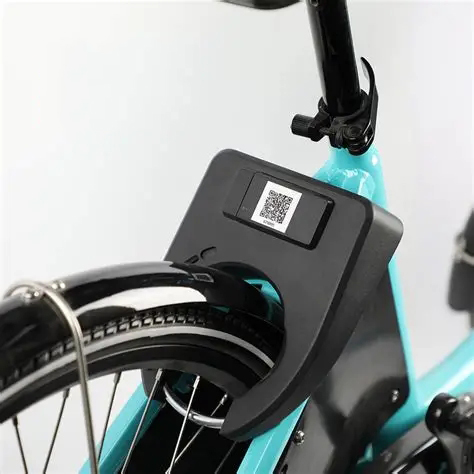
As a crucial component of smart mobility, shared bicycles have been continuously evolving towards intelligence and digitalization in recent years. To achieve remote management, security control, and efficient operation of these vehicles, the Smart Lock System has become a core component of shared bicycle systems.
In the smart lock system, the subminiature micro switch, despite its small size, undertakes key tasks such as lock detection, location feedback, and status confirmation. This article will delve into its working principle, main functions, and performance advantages in shared bicycle Smart Lock Systems, helping readers gain a more comprehensive understanding of its application value.
Why Subminiature Micro Switch Is Essential for Shared Bicycle Smart Lock Systems
The ability of shared bicycles to unlock with a scan and settle payment upon locking relies heavily on the collaborative work of the Smart Lock System. This system typically consists of an electronic lock, controller, battery, communication module, and back-end management system. These modules interact through real-time data exchange to jointly complete functions such as vehicle management, status monitoring, and order processing.
When a user scans the QR code, the back-end server sends an unlock command to the vehicle. Upon receiving the signal, the controller activates the electronic lock to unlock. When the ride ends, the user manually closes the lock. The system then needs to confirm whether the bolt is locked and uploads the result to the platform. If the system cannot accurately determine this, issues such as inability to close the order or incorrect billing may occur.
During this process, a subminiature micro switch, installed inside the smart lock, works in conjunction with the locking mechanism. It is responsible for bolt position detection, locking status feedback, unlocking confirmation, and status signal output. When the bolt moves to the designated position, it immediately activates and outputs the corresponding status signal.
Once locking is complete, the micro switch immediately sends feedback to the controller. The controller then uploads the information to the back-end system. The platform only closes the order and stops billing after confirming successful locking. This detection mechanism improves the control accuracy of the smart lock and effectively reduces misjudgments, which is crucial for minimizing abnormal billing, vehicle loss, and operational disputes.
How a Subminiature Micro Switch Works in Shared Bicycle Lock Systems
Detecting Lock Bolt Position with a Subminiature Micro Switch
Inside the electronic locks of shared bicycles, the bolt is typically driven by a motor to lock and unlock. When the controller issues a command, the drive mechanism moves the bolt to a preset position. A subminiature micro switch is installed near the bolt's movement path. When the bolt reaches the designated position, it pushes the switch's actuator, causing the internal contacts to switch rapidly and output the corresponding switch signal.
If the bolt is fully locked, the micro switch outputs a locking signal; if the bolt has exited the lock cylinder, it outputs an unlocking signal. The controller can accurately determine the current state of the electronic lock based on this information, without relying on complex image recognition or additional detection equipment.
Supporting Safe and Reliable Lock Control
During the operation of shared bicycles, locking confirmation is directly related to vehicle safety and platform operational efficiency. Only when the control system receives a locking completion signal from the subminiature micro switch will the platform determine that the vehicle has been successfully locked and terminate the user's order.
This method effectively prevents issues such as unlocked bikes, misjudged locking success, unauthorized vehicle occupation, and repeated unlocking. If the bolt is obstructed by external force and does not fully enter the lock cylinder, the micro switch will not output a locking completion signal, the platform will maintain the order status, and remind the user to complete the locking operation again. This not only improves the reliability of the locking system but also reduces the risk of malicious vehicle occupation or operational losses due to locking malfunctions, providing shared bike platforms with safer and more stable management capabilities.
Key Advantages of Subminiature Micro Switch for Shared Bicycle Applications
Compact Size for Smart Lock Integration
Electronic locks for shared bicycles require the integration of controllers, motors, batteries, communication modules, and various sensors, resulting in very limited internal space. The subminiature micro switch features a compact design, occupying less installation space and can be flexibly installed in confined spaces such as near the lock tongue or inside the lock body. This helps achieve lightweighting of the smart lock without affecting the overall structural layout, reducing the overall weight of the bicycle, and reserving design space for future upgrades and development needs of shared bicycles.
High Mechanical Life for Frequent Locking Operations
Shared bicycles undergo numerous locking and unlocking operations daily, with each operational vehicle potentially completing tens of thousands of locking cycles per year. Therefore, internal components must have a high mechanical lifespan. The subminiature micro switch can withstand long-term, high-frequency repetitive actions, maintaining stable triggering performance and consistent operation even under continuous operation.
A mechanical lifespan of up to 500,000 cycles not only reduces the frequency of component replacements but also lowers equipment maintenance costs, minimizes vehicle downtime due to lock malfunctions, and improves the overall operational efficiency and online rate of shared bicycles, creating higher operational value for the platform.
Reliable Switching Performance
The smart lock control system has high requirements for detection signals; any malfunction can affect the normal use of the vehicle. The subminiature micro switch has a fast-acting characteristic, quickly switching contacts when the bolt reaches the designated position and outputting a stable and consistent detection signal to quickly identify the locking status.
Stable switching performance also effectively reduces triggering errors, improves locking detection accuracy, and ensures reliable operation of the smart lock. For shared bicycles that require long-term continuous operation, this significantly improves system stability and reduces the occurrence of abnormal malfunctions.
Excellent Environmental Adaptability
Shared bicycles operate year-round in outdoor environments, facing various complex conditions. Therefore, the internal components of the smart lock must possess excellent environmental adaptability:
- A high-quality subminiature micro switch has IP67 waterproof and dustproof performance, effectively preventing rainwater and dust from entering and ensuring stable operation even in complex weather conditions.
- Its high and low temperature resistance covers operating environments from -40℃ to +85℃, maintaining stable performance in both frigid regions and hot cities.
- During long-term riding, the bicycles are continuously affected by road vibrations. A vibration-resistant micro switch effectively resists the effects of vibrations, preventing false triggering or detection anomalies.

Excellent environmental adaptability not only improves the overall reliability of the smart lock but also reduces maintenance needs caused by environmental factors, enabling shared bicycles to provide stable long-term service for urban public transportation.
Conclusion
The subminiature micro switch in the Shared Bicycle Smart Lock System performs critical tasks such as lock detection, position feedback, status confirmation, and security control, making it a vital component for ensuring stable operation of the smart lock. With the continuous development of the Internet of Things and smart city construction, subminiature micro switches will continue to upgrade towards higher reliability, miniaturization, longer lifespan, and intelligence, providing more stable and efficient control solutions for shared bicycle smart lock systems.
For shared bicycle manufacturers and smart lock developers, choosing a micro switch manufacturer with rich R&D experience, advanced manufacturing processes, a strict quality management system, and customized development capabilities will help improve smart lock performance and overall vehicle reliability, further enhancing product competitiveness.
What Does a Charging Electronic Lock Switch Do in DC Charging Guns?
Why Basic Micro Switch Is Important in Printer Design
Related Article